
5 min read
The Best Blinds for Double-Glazed Windows in NZ
Double glazing has become the New Zealand standard for new builds and serious renovations. It also changes which blinds make sense, how they should be fitted, and what can go wrong if you choose poorly. Here is what we recommend, and what to avoid.
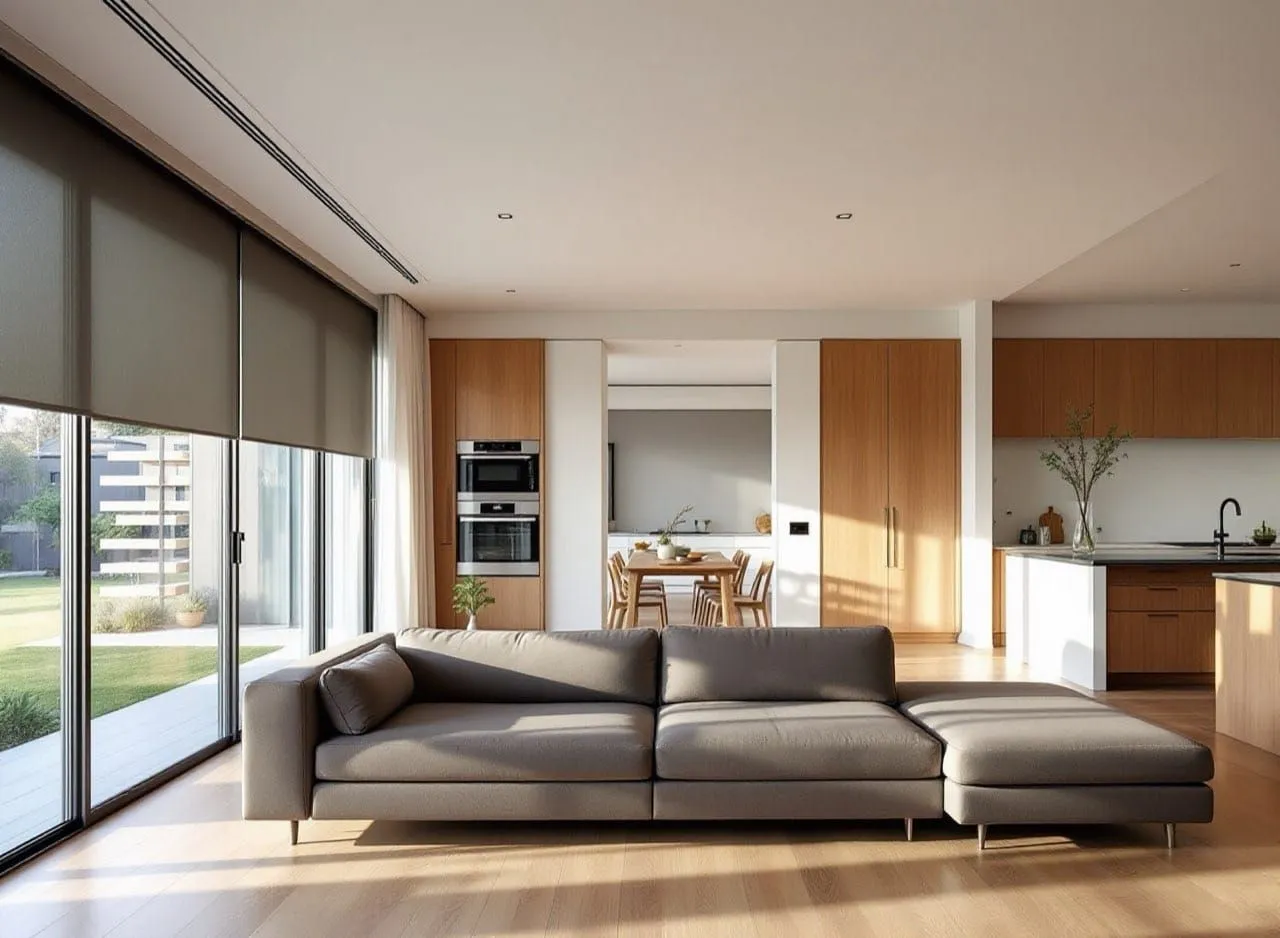
Why double glazing changes the brief
A standard single-glazed window loses heat through the glass. With a double-glazed unit (DGU), most of the heat loss has already been engineered out. That changes the question you should ask a blind supplier. Instead of “which blind is warmest?”, the better questions are: which blind looks right on a flush modern window, which one will not damage the seal or trap moisture, and which one gives me the privacy and light control I actually need.
What works best on double-glazed windows
1. Roller blinds: the default for most NZ rooms
Roller blinds are our most-recommended option for double-glazed homes. They sit cleanly inside the reveal, the brackets are small enough to avoid the frame, and you can choose blockout, sunscreen, or light-filtering fabric room by room. For bedrooms with double glazing we usually pair a blockout roller with a sheer curtain on a separate track.
2. Honeycomb (cellular) blinds for thermal-conscious rooms
If you want to add a small extra thermal break on top of the double glazing, say in a south-facing bedroom or a media room, honeycomb blinds trap a layer of air in their cells. They are slim enough to fit inside the reveal and they look architectural.
3. Venetian blinds for kitchens and bathrooms
Aluminium Venetians are moisture-tolerant and easy to clean, which makes them a good fit for the wet rooms of a double-glazed home. Tilt control gives you fine-grained privacy without losing daylight.
4. Sheer curtains over a track for living rooms
Sheers are not a blind, but they belong in the same conversation. On large double-glazed picture windows in modern living rooms, a single sheer curtain on a recessed track gives you softness and daytime privacy without competing with the joinery. Many of our clients pair sheers with roller blinds for a layered, premium look.
What to avoid on double-glazed windows
- Drilling into the frame. Most modern aluminium and uPVC double-glazed window frames carry a manufacturer warranty that is voided if you screw fixings directly through the frame. Ask your installer to fit blinds to the architrave, lining, or top reveal, never the frame itself.
- Heavy timber Venetians on tall windows. The weight on a thin reveal lining can flex the trim and pull fixings loose. If you love the look, choose a faux-timber composite instead.
- Tight-fitting blinds with no airflow gap. Double-glazed windows still produce some condensation, especially in winter. A blind pressed flat against the glass overnight can trap moisture and cause mould. Leave a small gap at the top, or open the blind for an hour each morning.
- Anything corded in family rooms. Following the recent NZ regulatory review of corded blind safety, we default to cordless or motorised mechanisms in any room a child uses. It costs only a little more and removes a real risk.
Recess fit, face fit, or ceiling fit?
On a double-glazed window the cleanest look is a recess fit: the blind sits inside the window reveal, flush with the joinery. This works when the reveal is at least 60–80 mm deep. If the reveal is shallow, a face fit on the architrave above the window keeps the glass clear and lets blockout fabrics seal better against light leak. For full-height living-room windows, a ceiling-mounted track for sheer curtains lets the fabric run from cornice to floor and emphasises the window’s scale.
Will the blind affect my window’s thermal performance?
A modern argon-filled DGU does the bulk of the thermal work. A blind, particularly a honeycomb or a thermal-lined curtain, can add a small additional R-value when closed. The biggest gain in most NZ homes is at night and in winter, when closing thermal-lined curtains over a double-glazed window noticeably reduces convective heat loss. It will not transform a single-glazed home into a double-glazed one, but on top of double glazing the marginal benefit is worth having in bedrooms.
Our recommendation, room by room
- Living room: recessed roller blind in sunscreen fabric, plus a ceiling-mounted sheer curtain on its own track.
- Master bedroom: blockout roller blind face-fit to the architrave for full light seal, plus a thermal-lined curtain.
- Children’s bedrooms: cordless blockout roller, no exceptions.
- Kitchen and bathroom: aluminium Venetian or moisture-tolerant roller.
- South-facing study or media room: honeycomb blind for the small extra thermal break.
Get a free measure on your double-glazed home
Every house and every window is different. We measure each opening, talk you through the trade-offs above in your own light, and quote within 24 hours. Book a free measure or browse our full blind range.